
resources for sleep
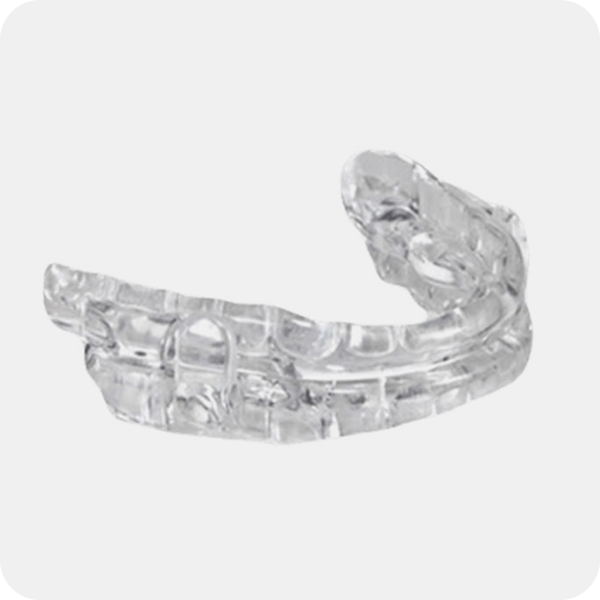
Appliance Care
Many cleaning products contain Potassium Pursulfate. The FDA has asked that the manufacturers of Fixodent, Polident, Efferdent and other denture type cleaners to change the product labeling to include warnings about the risk of allergic reactions which could be caused by pursulfates. While these products are good for cleaning an appliance and are not harmful unless a person is allergic to them.
Other alternatives for cleaning the appliance would be Hydrogen Peroxide 1:1 ratio with warm water and soak for 30 minutes.
Under no circumstance should any product containing bleach be used, and do not place the appliance in the dishwasher.

Books
Kicking the Bear out of the Bedroom
by Steve Wick
Sleep Apnea Hurts, the Cure doesn’t have to
by David Dillard, MD and Mayoor Patel, DDS, MS
Why Do We Sleep
by Mather Walker
Breath
by James Nestor

Sleep Tests
Polysomnogram (PSG)
Also known as a sleep study. It requires sleeping overnight at a sleep center where you are monitored through the night. It is specifically monitoring your brain waves, breathing, heart rate, and blood oxygen levels while you sleep. It can help diagnose sleep disorders like sleep apnea, narcolepsy, and insomnia.
Multiple Sleep Latency Test (MSLT)
This type of sleep test also requires sleeping overnight and the next day at a sleep center. It measures the same things that a PSG does in addition to measuring the time elapsed from the start of a daytime nap period to the first signs of sleep, called sleep latency. This test is based on the idea of the sleepier a person is the faster they fall asleep.
Home Sleep Test (HST)
This test can be done at home and can help identify signs of sleep apnea, such as loud snoring, excessive daytime sleepiness, and gasping or choking while sleeping.
There are two main types of at-home sleep studies:
- Type 3: This study measures your airglow, breathing effort, blood oxygen levels and heart rate.
- Type 4: These studies measure only your oxygen levels and heart rate.
Split-Night Polysomnography
This test combines elements of a routine polysomnogram with CPAP titration. It can help obtain diagnostic and treatment data.
Continuous Positive Airway Pressure (CPAP) Titration
This therapeutic study is used to treat obstructive sleep apnea syndrome. The purpose of the study is to test the variety of CPAP pressures to determine which is the most effective in eliminating apneic events and snoring.