
CPAP
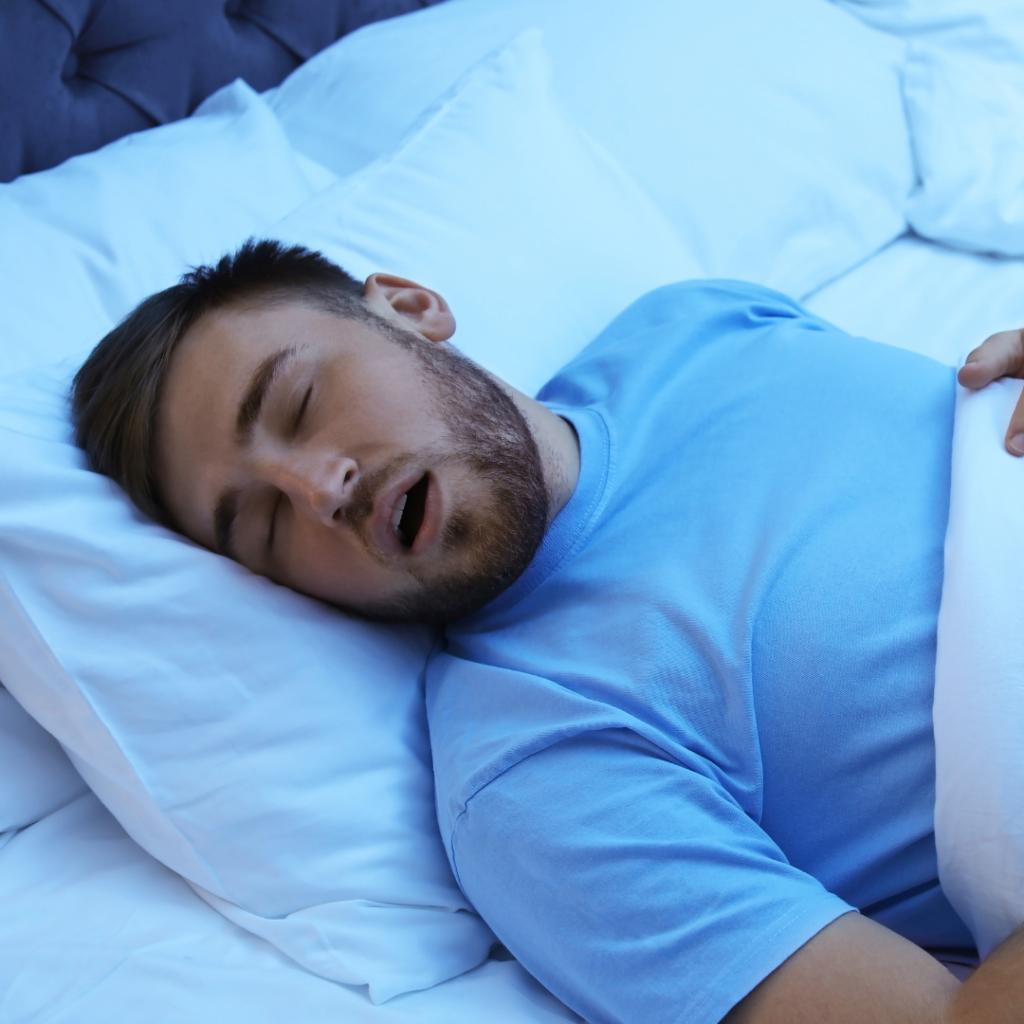
CPAP (Continuous Positive Airway Pressure) therapy remains the Gold Standard for treating Sleep Disordered Breathing and stands as the most commonly recommended treatment for sleep apnea. The machine actively opens the airway while you sleep by delivering pressurized air through a mask worn over your nose and/or mouth while you sleep. CPAP machines can significantly improve sleep quality and reduce your risk for a number of health issues, including heart disease and stroke.
However, CPAP therapy comes with numerous challenges. Most machines require an electrical power source, however, battery powered units are available, but at a significant cost. CPAPs require distilled water, not tap or bottled water, to humidify the pressurized air. Also, CPAPs are required to be cleaned daily. Many CPAP users struggle with an initial adjustment period to use the device, or finding the proper mask fit or feeling claustrophobic or tethered when using the device. Unfortunately, during the first year of use, approximately 50% of people will fail to continue this mode of treatment. Of the reaining 50%, another 20% will stop using their CPAP during the second year. Consequently, these individuals are no longer receiving treatment for a debilitating medical condition which can potentially result in death.

Oral Appliance Therapy
Oral appliance therapy (OAT) is an effective treatment option for snoring and obstructive sleep apnea (OSA). In 2015, the American Academy of Sleep Medicine (AASM) and the American Academy of Dental Sleep Medicine (AADSM) concurred that OAT can significantly reduce OSA in patients and that adherence to the treatment is is greater than 90% for the first year and typically does not fall below that point for the succeeding years of treatment.
Over 100 FDA approved oral appliances exist to treat snoring and/or sleep apnea, however, most do not provide the custom-fabricated appliance which can only be provided by a qualified dentist. Most “over-the-counter” sleep appliances are overly bulky and their use has the potential to cause undue side effects.
The appliance works by moving your lower jaw forward, thereby bringing the tongue forward reducing the collapsibility of the airway which allows a smoother passage of air to move into the lungs.

Inspire® Therapy
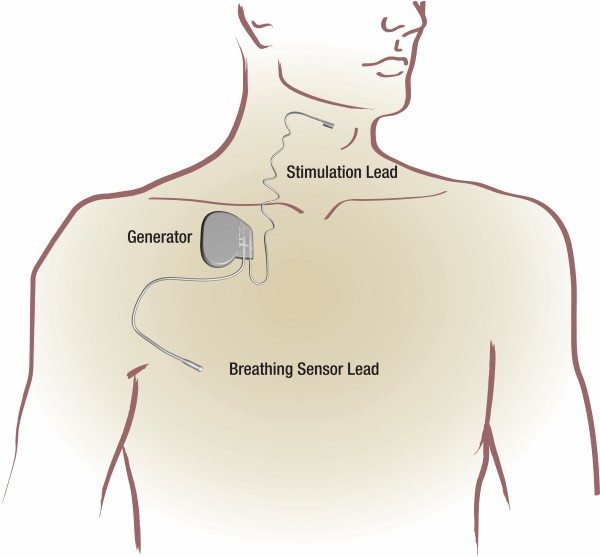
Inspire therapy remains the only FDA-approved obstructive sleep apnea (OSA) therapy that works comfortably inside your body. This form of therapy requires two surgically implanted components – a monitoring device implanted in the chest and a nerve stimulator connected to the nerve controlling the tongue. These two components work together to monitor your breathing and deliver pulsations to the nerve that controls your tongue’s movement. This stimulation forces your tongue forward opening your airway so that you can breathe more effectively.
Inspire therapy is not for everyone with obstructive sleep apnea (OSA). Eligible patients must have moderate to severe OSA and have tried and have found CPAP therapy unsuccessful or intolerable. Also, an Inspire-trained physician must perform a drug-induced sleep endoscopy (DISE) to determine how your airway collapses which will determine if one is a candidate for Inspire Therapy
Combination Therapy
Occasionally the CPAP or Inspire alone is not enough to effectively treat sleep apnea. On occasion your doctor may prescribe an oral appliance to be worn along with CPAP or Inspire therapy.
Depending on the severity of sleep apnea, the pressure and setting on the CPAP are required to be set quite high and this can be uncomfortable and even intolerable for a person. By adding an oral sleep appliance in co-therapy with the CPAP, the airway can be opened more and the pressures on the CPAP lowered, giving the patient more comfort and optimum airway breathing through the night.
In some situations with Inspire patients, the jaw structure may be too small or the tongue may be too large to allow enough opening of the airway to achieve the necessary therapeutic benefits from Inspire alone. The addition of an oral sleep appliance can move the lower jaw forward, thereby allowing the tongue more room to move forward facilitating a greater opening of the airway.
For Travel
Some people love their CPAP but do not like the inconvenience of traveling with them. An oral appliance is a perfect alternative for travel. It is small, lightweight and easy to clean while traveling. It does not require electricity, so if travel takes you backcountry, camping, hunting, hiking or whatever adventure you are on, you don’t have to worry that your sleep apnea is not being treated. It is even quite beneficial on long flights.
Ready to take the next step?
Try our Sleep Health Quiz or talk to the team at Teton Sleep Solutions about sleep solutions to help you get the rest you need.